
What you need to know about boxing recovery
Boxing requires excellent physical condition. Training is the key to achieving this, as it helps the athlete progress and improve.
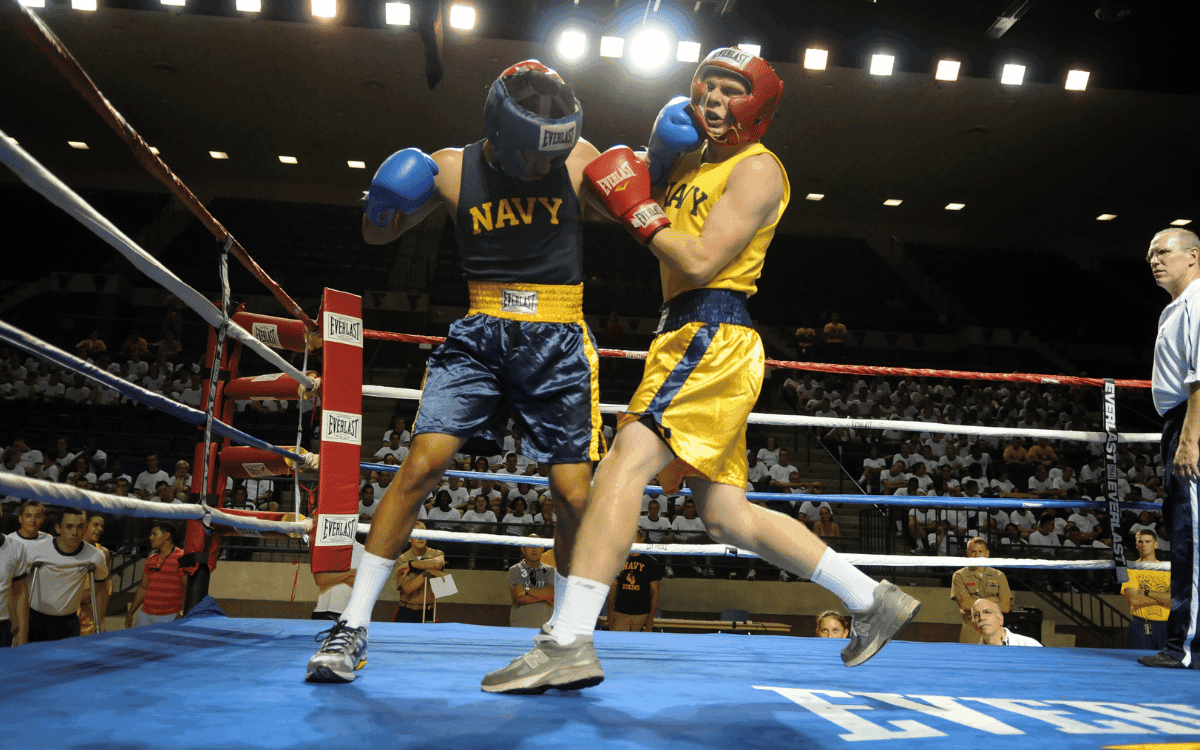
Boxing requires excellent physical condition. Training is the key to achieving this, as it helps the athlete progress and improve.
But recovery is just as important! It is the natural consequence of effort. But it is entirely possible to speed it up and improve it. Numerous techniques are deployed to promote recovery in boxing.
Today, we are telling you more about the best tips for recovery after a boxing session. And why not try CBD Hash products as part of your recovery process?
Food for better recovery after boxing
Next, a boxer's diet plays a significant role in recovery. Depending on the session performed, the needs will differ, but the body will always need proteins and carbohydrates. So, after a boxing session, these macronutrients must be supplied to the body, which will be used to repair the muscles.
You'll need more sugar and less protein if the session is more cardio, sparring, technical, etc. The protein requirement will be higher with a more challenging session on the muscles, strengthening, and circuit training.
After a session, you can turn to cereal bars rich in protein and fruit (banana, etc.) to meet the body's needs. Muscle-building-type snacks with whey shakers may also be suitable, but the muscular stress of a boxing session does not justify such a high protein intake.
Then, for the next meal, a well-balanced menu is all you need, with a good source of protein.
Stretching after boxing
Stretching is often recommended after a sports session. Stretching reduces muscle tension and realigns muscle fibres, restoring elasticity to the muscle. Therefore, it is essential to stretch regularly after sport, ideally between 2 and 6 hours after the session.
Rhomboid contractures are common in boxing, and to avoid them, you need to stretch your back regularly and warm up well before your session.
For a boxer with fists, stretching the legs, especially the adductors, is very important.
Massage your muscles
Massages improve blood circulation and encourage muscle repair. Self-massage after a sports session speeds up muscle rebuilding and enables you to train more regularly. It's easy on the legs, but you can use a massage roller for the arms.
Cold is good for recovery
This is a well-known method: cold acts on the muscle cells, calming them down, which slows down inflammation and speeds up the process of repairing micro-tears. Cryotherapy or cold baths are ideal, but it is more complex daily and with equipment. A cold shower or alternating hot and cold can help replace these methods. A 5-10 minute cold shower is almost as effective as a cold bath, although less suitable for water consumption.
Electrostimulation
Electrostimulation devices are standard, and the recovery ranges produce sound muscle repair effects. It is a super recovery accelerator which is widely used in top-level sports. Working with a coach to choose the right intensity and mode is best.
There are other techniques, the main one to help your body relax after your session so that the cells can repair the micro-tears. This repair occurs mainly during sleep, which is the key to recovery.
Sleep is essential for recovery
Sleep is a critical element of recovery. Sleep requirements vary significantly from one person to another but increase in the case of athletes. During the night, the muscle cells repair themselves so the fibres can contract normally as quickly as possible. So, poor sleep is insufficient for recovery.
A good night's sleep will improve recovery and the quality of the next training session. It's a performance factor for sportsmen and women. For boxers, sleep should be extended after fights that are traumatic for the body, as this is when injuries are repaired.
Recovery is essential to a sportsman's performance; managing it well will enable him to progress more quickly. The most important thing for a boxer is to hydrate rapidly after training. Then, diet and body management will help you recover better and allow the muscle fibres to rebuild.
Boxing recovery techniques
Boxing coaching is one way of optimising both training and recovery. Depending on the combat sport (muay thai, savate boxe française, kickboxing, k-1) practised and the level of the boxer, the needs will not be the same. The expertise of a professional will enable recovery to be adapted to the athlete and the intensity of the boxing training session.
However, boxing has many different techniques for recovering more easily and quickly. They vary according to the intensity of the effort and can also be deployed at other times afterwards.
The basics of nutrition, hydration and rest
If you're a regular boxer, you probably already know that sporting activity goes hand in hand with a proper diet. Just as before going into battle, giving your body the right nutrients is essential. In particular, these will help build muscle (especially protein) during recovery.
Boxing means intensive training and intensive training means high nutritional requirements. Food supplements can fill the gaps in the diet of regular boxers, if necessary.
As well as eating and hydrating correctly, rest is essential for recovery. Enough quality sleep allows the body to repair itself after exercise. If you get enough sleep and sleep well, you'll also be in better shape, so you'll box better!
Why take CBD after sport?
Intense muscular exercise during a bodybuilding session, HIIT, advanced physical training or a significant competition strains and exhausts the muscles. As you discovered in our article on CBD to treat sports injuries, cannabidiol is a beneficial molecule for athletes. Did you know that it also offers numerous benefits in terms of physical recovery?
The benefits of taking CBD from Justbob.shop after sport (it is legal ):
More effective muscle recovery Improved quality of sleep Fewer muscle cramps Less muscle soreness Fewer aches and pains

More from Global Boxing News
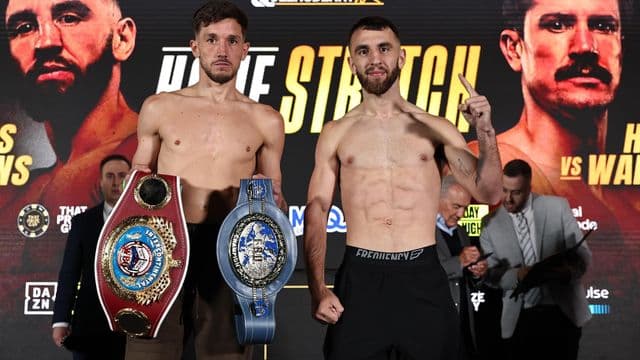
News
Liam Davies vs Nathaniel Collins weights, running order, ringwalk times
Liam Davies vs Nathaniel Collins full fight details
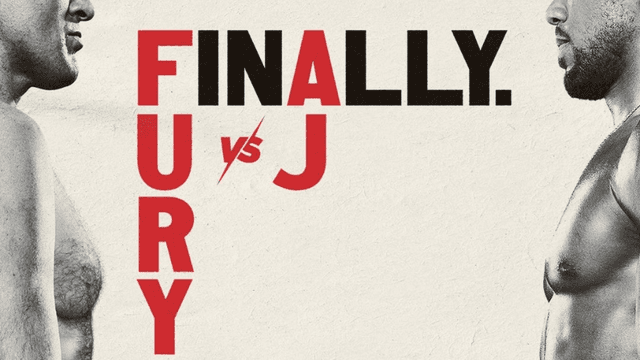
News
Anthony Joshua vs Tyson Fury now has world heavyweight title on the line
Anthony Joshua and Tyson Fury will fight for heavyweight world title in incredible twist
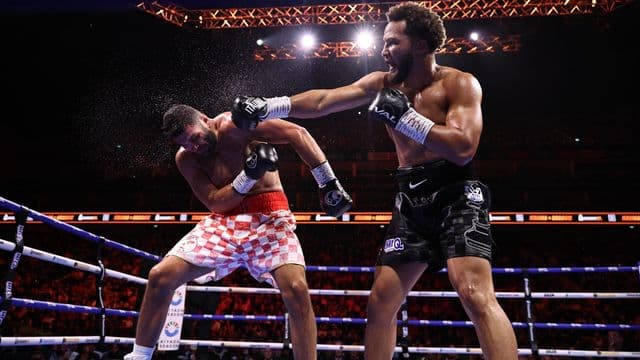
News
Filip Hrgovic reveals the extent of the injuries Moses Itauma caused him
Filip Hrgovic reveals what he felt in the aftermath of his fight with Moses Itauma

News
WBC orders Carlos Adames vs Meiirim Nursultanov for the world middleweight title
Carlos Adames vs Meiirim Nursultanov ordered