
Is it time for a super heavyweight division?
Is a super heavyweight division coming soon?
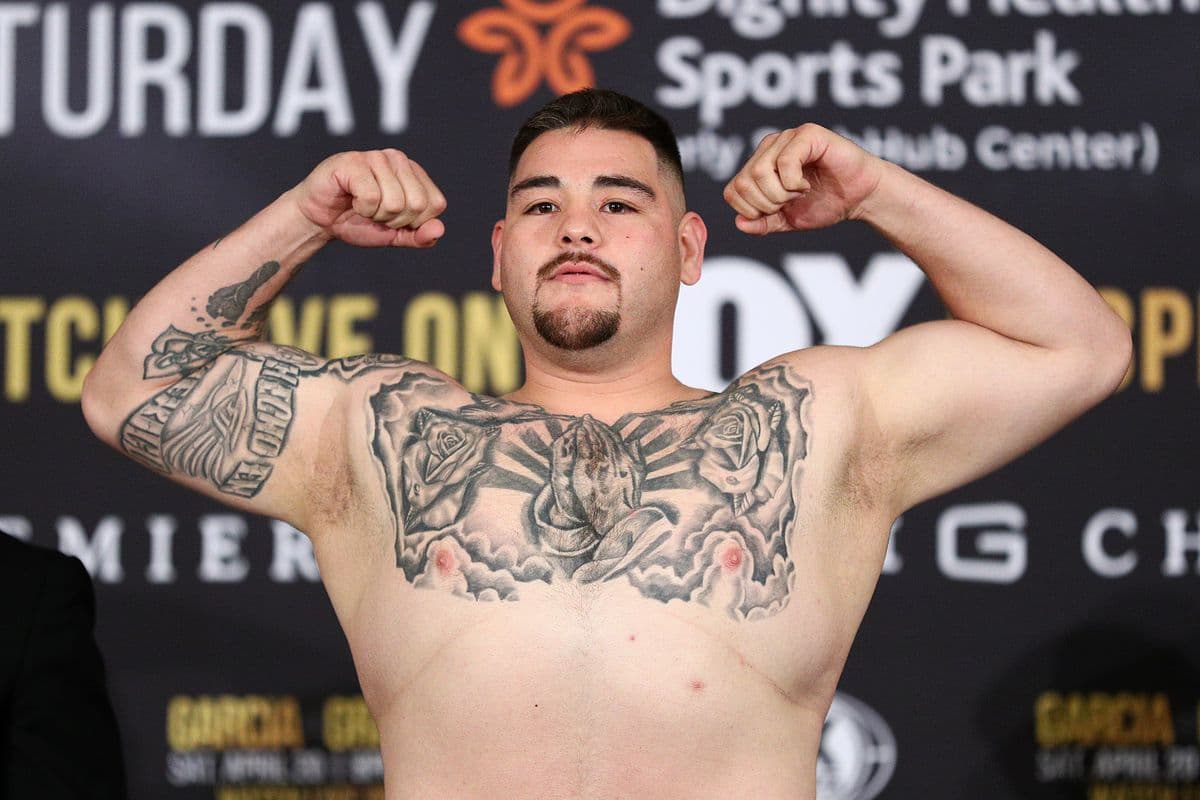
Is a super heavyweight division coming soon?
By James Blears
There will come a time, when it'll be necessary to consider a super heavyweight division in the ranks and the rings of professional boxing.
Heavyweight fighters are getting both taller and heavier and the discrepancies are becoming wider and wider.
Right now, a heavyweight is a fighter who weighs more than 200lbss in weight. But there are fighters who are almost 100lbs heavier than this. No other weight division in boxing has this enormous disparity.
Joe Louis was six feet two inches tall and his perfect fighting weight was 200lbs. So, by today's standards, he fits comfortably into the cruiserweight division.
Muhammad Ali at six feet three inches was at his best weighing 215lbss. Mike Tyson, at a tad under six feet tall, came in around five pounds heavier than that.
Nikolai Valuev is the tallest and biggest heavyweight to date, at an incredible seven feet in height, with a peak weight of 328lbs! He weighed 310lbs when fighting Evander Holyfield who was almost 170lbs lighter, losing a controversial majority decision.
However, if you look at the weight of Lennox Lewis, Vitali Klitschko, Wladimir Klitscho, Tyson Fury, Anthony Joshua, Dillian Whyte and David Price, it's at 240lbs plus.
For his fight against Deontay Wilder, Tyson Fury scaled 273lbs pounds. Wilder, who's been as light as 212lbs, had bulked up to 231lbs pounds, a career heaviest.
Most of these huge fighters are appreciably closer to seven feet tall than six feet. Most have a reach of between 82 and 85 inches. The height is not as crucial as the reach advantages, but when it's coupled to the extra weight, it's a considerable advantage against an opponent who might only be six feet two inches tall and 220lbs in weight.
Until fairly recently, the giant heavyweights have been few and far between, but this is noticeably changing. The time isn't that far off, when the normal weight for the vast majority of heavyweights will amply exceed 240lbs pounds and the height will be six feet five inches or even taller.
Of course arguments can be leveled against a super heavyweight division. Evander Holyfield, who was cruiserweight champion before becoming a svelte, chiseled heavyweight world ruler, often fought considerably larger men like Riddick Bowe, Lennox Lewis, James Buster Douglas and Nikolai Valuev. 'The Real Deal' used supreme conditioning, boxing ability, considerable punching power and tremendous courage to offset physical disadvantages, but disadvantages they were.
The time when this disparity will become glaringly obvious in Boxing is less than 10 years away. As eras pass, athletes become bigger, stronger, faster and taller.
The cruiserweight division had to be created to bridge the increasing gulf between light heavyweight and heavyweight. And in similar measure for measure terms, the heavyweight division might well need to have the super heavy category weighing heavily over it.
Timing is everything. It's not necessary just quite yet, but it will become increasingly inevitable.
HÖRFA are proud sponsors of Boxing News Now

More from Global Boxing News

News
Undefeated New York City firefighter set for local derby in Rockin' Fights 55 main event
Unbeaten locals Raymond Cuadrado and Ralph Clemente lead Rockin' Fights 55
Features
Will Tyson Fury vs Anthony Joshua actually be worth the wait?
Tyson Fury vs Anthony Joshua finally agree to fight
News
WBO world lightweight title contender joins BKB
Philadelphia boxing veteran set to make his BKB debut November 20 in Delaware

Results
Takuma Inoue climbs off the canvas to retain WBC crown in Tenshin Nasukawa rematch
Takuma Inoue is still WBC bantamweight champion