
Rear View Mirror - A look back at the career of "The Mongoose" Archie Moore
GBN’s Scottish scribe, Donald C Stewart, takes a look back in his rear view mirror at the almighty career of one of the Greats, "The Mongoose" Moore
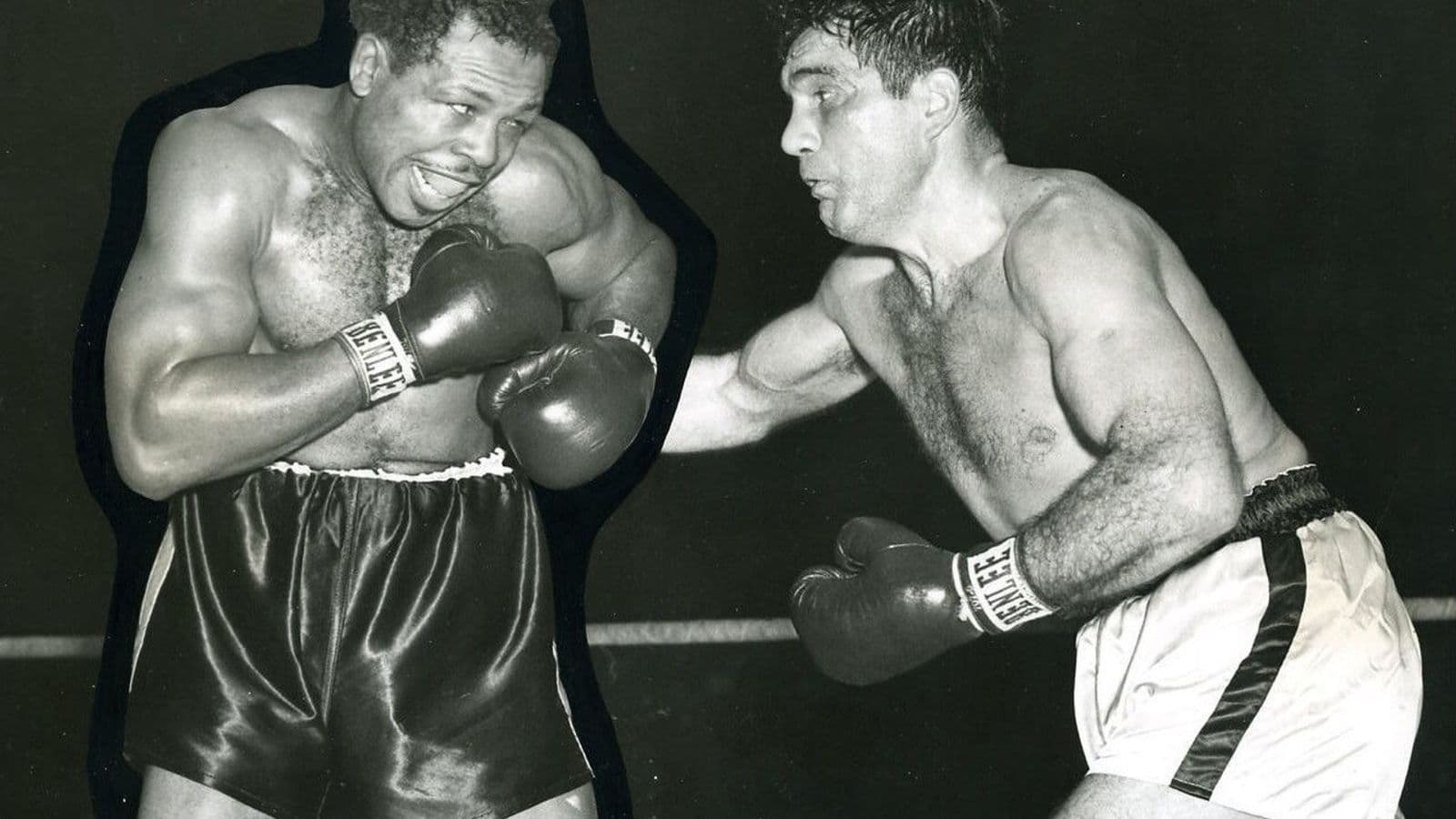
Rear View Mirror - Archie Moore
GBN’s Scottish scribe, Donald C Stewart , takes a look back in his rear view mirror at the almighty career of one of the Greats, "The Mongoose" Moore
Archie “The Old Mongoose” Moore fought on over 200 occasions and only lost 23 times. He had 10 draws and 1 no contest but registered no fewer than 186 wins – 132 by way of knockout– though 3 are disputed because they were against wrestlers. For ten years he was the reigning light heavyweight champion of the world and in 2025, BoxRec ranked him as the greatest light heavyweight ever, having never lost his title in the ring.
Moor travelled the world including the Australia and the Argentine
Now that’s a record…
Born midway through the First World War or was it before it started – nobody knew when it truly was – he lives long in the memories at middleweight, light heavy and heavyweight in a career that spanned four decades. He became a trainer of those who followed like Mohamad Ali, George Foreman and James Tillis! His place in the annals of boxing history is more than assured – it’s cemented – and chiselled on the hearts of those who follow boxing.
Like many legends his beginnings were humble, and part of his legacy is that he returned to them to help others. Archie Moore lost his parents earl in his life and went to be raised by an uncle and aunt. He took his new surname – Moore – from them. Trauma followed him as a child as his uncle died not long after he arrived in his house and Moore fell into bad habits. He then spent almost two years in a correctional institution to atone.
Whilst there he learnt boxing and came out determine that his life was going to change and change it did.
He became a professional boxer in 1935 and set about fighting whoever was placed squarely in front of him. As a black boxer, Moore had to push against forces that believed black men never should box but he burst that barrier with every punch he threw.
Then in 1941 he retired!
Suffering from stomach ulcers Moore took the decision to step away from the ring to have the operations, but he only stayed “retired” until 1942!
America was about to enter the Second World War, and it was hardly the time to be making a presence across the globe in any sport and, though his fights were frequent with varying degrees of success, he kept going. He fought east and west until the armistice was called.
The names he fought made sense at the time but perhaps make less sense now, though by 1946, having faced a long line of boxers, he moved into the light heavyweight division and took on a future world heavyweight champion, in Ezzard Charles – Moore lost in the 10th round.
When the forties ended, he was ready for an assault on the titles he claimed were being protected against him. Moore felt he was not being considered for shots at world level but, his complaining paid off … eventually.
In 1952, aged 36 he got his first chance at a world title.
16 years after turning professional and with a 15 round unanimous decision he beat Joey Maxim to become the light heavyweight King of the World. There is plenty of evidence that black boxers had to fight twice – against any opponent and against the people outside the ring who controlled the sport. Moore, at 36 years of age was the light heavyweight champion and defended his belt, for the next 10 years.
His rivalry with Maxim was to spawn a trilogy of fights – all of which Moore won – but Moore’s ambition was to be more than light heavyweight King; he wanted the big one – the heavyweight world title.
And so, in 1954, he went into the ring with another boxing great, Rocky Marciano for it, whilst still being the light heavyweight champion, at Madison Square Gardens.
Can you imagine? Two iconic boxers in an iconic venue was bound to bring a story – and it did on the 21st of September 1955, at the Yankee Stadium in New York. Moore sent Marciano to the canvass in the 2nd round, and whilst many thought the referee did his job, but Moore always contended that he did A job, giving Marciano extended recovery time. It was, according to Moore to cost him as he lost the fight as Marciano recovered. Moore was to reference his claim in his autobiography, The Archie Moore Story (1960) where he castigated referee Harry Kessler and included the claim that Kessler gave Marciano a stiff jerk which might have cleared his head. Marciano stopped Moore in the 9th round as referee Kessler swept in to stop Moore taking any more punishment in Marciano’s 49th winning fight. Unfortunately, the pictures of the time do not support Moore’s claim that Marciano had an extended opportunity to get himself together, but hey, debates about a heavyweight title fight, controversial referee and judge’s decisions – don’t we just love em?
Moore was to try again to gain the heavyweight title in 1956 when he faced a 21-year-old, Floyd Paterson and was again in the record books – as the opponent who lost to the youngest ever heavyweight champion of the world. That record held until 1986, and a certain Mr Mike Tyson came along to pinch it.
Moore’s career was far from over and he continued to defend his light heavyweight title including an 11th round stoppage of the Canadian, Yvon Durelle. It was a fight filled with Moore’s characteristic courage – he kept getting knocked down but got back up again before stopping a tiring Durelle. They rematched in 1959, Moore winning with ease stopping him again, this time in the 3rd round.
It was his penultimate title fight, thanks to the politics of the sport. Moore did not defend the title in 1960 and was stripped. The National Boxing Association (NBA) decided to take it from him. Others, including the Ring Magazine still saw him as the champ and so he continued to hold that honour, until 1962 when they fell into line with the NBA and he became derecognised. His failing? Who knows? Politics in the sport of boxing…
He had, in 1961, fought Giulio Rinaldi in Madison Square Gardens, winning on points with the New York State Athletic Commission light heavyweight world title on the line – Moore won on points. The rest of his career he fought at heavyweight. In 1962 it led him to face a man he had been training and fallen out of favour with – Mr Cassius Clay. Clay predicted that Archie Moore… must fall in four; and so, he did.
It’s an incredible line to draw – from Rocky Marciano to Muhammad Ali – and only Archie Moore can draw it. No other boxer ever faced both of them in the ring.
In 1963, he finally did retire and though he was never far away from the limelight and it was his boxing prowess that kept his memory alive. It allowed more time for him to devote to the oganisation he founded in 1960; Any Boy Can which taught underprivileged young people to box in San Diego. He became a trainer, joining George Foreman’s team for The Rumble in the Jungle as well as being an assistant to the Nigerian Olympic team for the 1976 Montreal Olympics.
Apart from his obvious athleticism, his vast experience he displayed showed he had no fear of the losses, they would make him a much better fighter. On the 9th of December 1998, just short of his 85th birthday, Archie Moore passed away. Memory and legacy are short three syllable words, but they remind us of the immense contribution that people like Archie Moore gave. His was an immense career and one that will live long for those willing to remember it.
More articles by Donald C Stewart

More from Global Boxing News
News
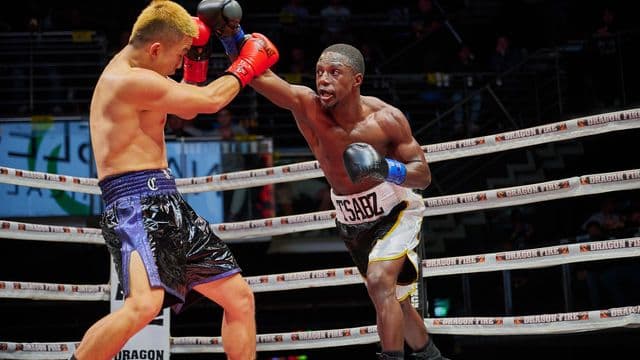
Australian champ Tanaka “Tsabz” Saburi ready for a war against Islam
Tanaka Saburi takes on unbeaten prospect next
News
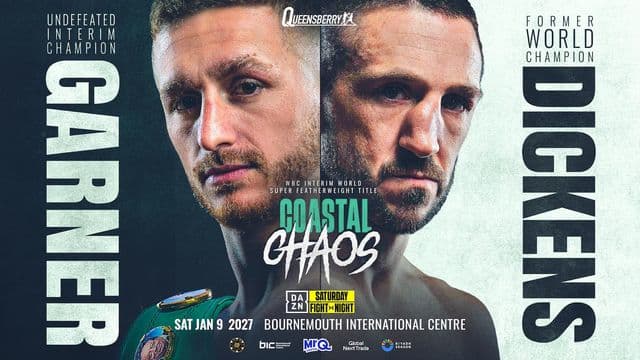
Ryan Garner WBC Interim super-featherweight title defence announced
Ryan Garner defends WBC Interim super-featherweight title in Bournemouth
News
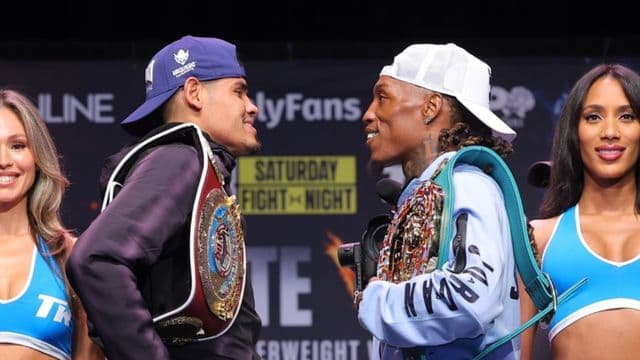
How to watch Emanuel Navarrete vs O'Shaquie Foster
Emanuel Navarrete vs O'Shaquie Foster dates, times, ringwalks, TV channel, betting odds
News
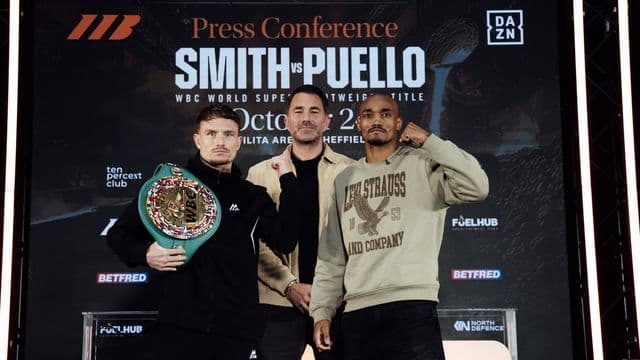
Dalton Smith studied Alberto Puello for a year and promises fans will see the best version of him to prove he is No.1
Dalton Smith vs Alberto Puello final press conference quotes